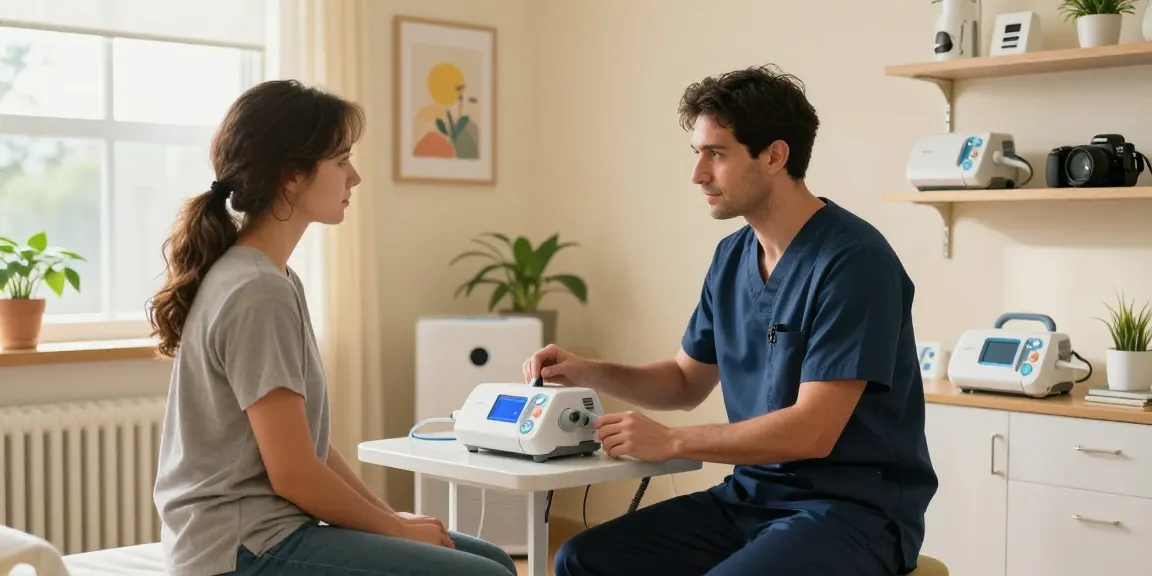
The Role of a CPAP Provider in Sleep Health
As the understanding of sleep health continues to evolve, the role of a cpap provider becomes increasingly vital. Continuous Positive Airway Pressure (CPAP) therapy is widely recognized as a standard treatment for obstructive sleep apnea (OSA) and other sleep-related breathing disorders. Through the effective use of CPAP devices, healthcare professionals help patients improve their sleep quality, reduce daytime fatigue, and mitigate the risks associated with untreated sleep apnea.
Understanding CPAP Therapy and Its Benefits
CPAP therapy involves the use of a device that delivers a steady stream of air through a mask, preventing the airway from collapsing during sleep. This intervention provides numerous benefits, including improved oxygenation, better sleep architecture, and enhanced daytime alertness. Studies indicate a significant reduction in cardiovascular risks, as well as improved cognitive function and overall quality of life for patients who adhere to CPAP therapy. Additionally, regular use of CPAP can lead to decreased healthcare costs by reducing hospitalizations related to sleep apnea complications.
How CPAP Providers Assess Patient Needs
Before prescribing a CPAP device, CPAP providers conduct thorough assessments to understand each patient’s specific situation. This often involves a sleep study, which may be conducted in a sleep lab or at home, to confirm a diagnosis of sleep apnea. The provider evaluates the severity of the condition, existing comorbidities, and personal preferences regarding device features. By tailoring the therapy to individual needs, providers can enhance compliance and treatment efficacy.
The Qualification and Training of CPAP Providers
CPAP providers typically include respiratory therapists, sleep specialists, and other allied health professionals. They undergo specialized training in sleep medicine and are knowledgeable about various CPAP technologies. Certification from recognized organizations, such as the Board of Registered Polysomnographic Technologists (BRPT) or the American Academy of Sleep Medicine (AASM), indicates a high level of expertise. This training equips providers to manage potential complications, troubleshoot device issues, and educate patients effectively.
Choosing the Right CPAP Provider
Finding the right CPAP provider is crucial for successful treatment. It’s essential to take the time to evaluate different providers to ensure that they meet your specific needs. One of the key considerations should be how well a provider aligns with your health goals and values.
Key Factors to Consider When Selecting
- Experience and Credentials: Evaluate the qualifications and experience of the provider in sleep medicine.
- Range of Services: Determine if the provider offers additional services, such as follow-up consultations and equipment maintenance.
- Insurance Coverage: Check if the provider accepts your insurance, as this can affect the overall cost of your treatment.
- Accessibility: Consider the location and availability of the provider, including telehealth options.
Evaluating Provider Reputation and Reviews
Before making a decision, it’s beneficial to research potential providers. Online reviews can offer insights into previous patients’ experiences. Look for feedback on aspects such as the provider’s communication style, support services, and overall patient satisfaction. Word-of-mouth recommendations from friends, family, or healthcare professionals can also provide valuable guidance.
Understanding Provider Support Services
An essential aspect of selecting a CPAP provider is understanding the support services available after the initial consultation. Providers should offer ongoing education about CPAP use, troubleshooting assistance, and regular follow-up appointments to monitor progress. The ability to access support for device maintenance and adjustments is also crucial for long-term success.
Common Challenges with CPAP Providers
Despite the benefits, many patients encounter challenges with CPAP therapy, often stemming from misunderstandings or poor communication with their providers. Addressing these challenges proactively can enhance treatment outcomes.
Addressing Misconceptions About CPAP Therapy
There are numerous misconceptions surrounding CPAP therapy, such as the belief that it is uncomfortable or unaffordable. In reality, modern CPAP devices have advanced features that enhance comfort and usability. Providers play a significant role in dispelling these myths by providing clear, factual information and addressing patient concerns during consultations.
Overcoming Barriers to Effective Treatment
Barriers to effective CPAP treatment can include discomfort with the mask, difficulty adjusting to the therapy, or lack of support from healthcare providers. Identifying these barriers early allows the CPAP provider to offer tailored solutions, such as different mask styles, settings adjustments, or even behavior modification strategies to promote adherence.
Managing Patient-Provider Communication Issues
Effective communication is vital for successful CPAP therapy. Patients must feel comfortable discussing their symptoms, concerns, and any side effects they experience. Providers should encourage open dialogue and actively listen to patient feedback, ensuring that they are responsive to individual needs and preferences.
Best Practices for Working with Your CPAP Provider
Maximizing the benefits of CPAP therapy requires collaboration between patients and providers. Following best practices can lead to a more successful treatment journey.
Preparing for Your Initial Consultation
When attending your first appointment with a CPAP provider, prepare a list of questions regarding the therapy, possible side effects, and support services. Bringing a record of your sleep habits and any previous treatments can also aid in the assessment process.
Strategies for Effective Follow-up
After initiating CPAP therapy, regular follow-ups are essential. Utilize these appointments to discuss any challenges, seek adjustments, or explore additional support options. Keeping a sleep diary can also provide valuable insights for discussion with your provider.
Maintaining Open Lines of Communication
Establishing an ongoing communication channel with your CPAP provider is critical for long-term success. Be proactive in expressing concerns or questions, and don’t hesitate to reach out for guidance as needed. Many providers offer telehealth options, making it easier to stay connected.
Future Trends in CPAP Therapy and Provider Roles
The landscape of CPAP therapy is evolving rapidly, driven by technological advancements and changing patient needs. Understanding future trends can provide valuable context for both patients and providers.
Technological Innovations Impacting CPAP Treatment
Innovations such as mobile apps for tracking therapy adherence, smart devices that adjust pressure automatically, and data sharing with healthcare providers are changing how CPAP therapy is managed. These technologies can enhance patient engagement and streamline provider-patient interactions.
Emerging Practices in Patient Care and Support
As the healthcare landscape shifts towards value-based care, the focus is increasingly on patient-centered approaches. CPAP providers are exploring comprehensive care models that include lifestyle coaching, behavioral therapy, and personalized health plans to optimize patient outcomes.
Predictions for CPAP Providers in 2026 and Beyond
Looking ahead to 2026, we can expect CPAP providers to adopt more holistic care practices, integrating technology and personalized medicine. This shift will likely focus on a seamless patient experience, driven by a deeper understanding of patient preferences and needs. Providers will need to adapt to these changes by continuously educating themselves about emerging technologies and treatment methodologies.
What can I expect from my first appointment with a CPAP provider?
Your first appointment with a CPAP provider typically includes a comprehensive assessment of your sleep history, a discussion of symptoms, and potentially, a sleep study. Expect to receive information about the different types of CPAP devices and the therapy process.
How do I know if CPAP therapy is right for me?
CPAP therapy is generally recommended for individuals diagnosed with obstructive sleep apnea. A sleep study conducted by a qualified provider will determine the severity of your condition and help establish if CPAP is the most appropriate treatment.
What are some common side effects of CPAP therapy?
Some patients experience side effects such as nasal congestion, skin irritation from the mask, or a dry throat. These issues can often be managed with adjustments to the device or added accessories, such as humidifiers.
Can a CPAP provider help with device maintenance?
Yes, CPAP providers typically offer maintenance services and support, including guidance on cleaning and replacing parts of the device. Regular maintenance is crucial for optimal performance and hygiene.
How will I know if my CPAP settings are correct?
Your CPAP provider will monitor your usage data during follow-up appointments to ensure the settings are effective. They may adjust the pressure or other settings based on your feedback and adherence data.