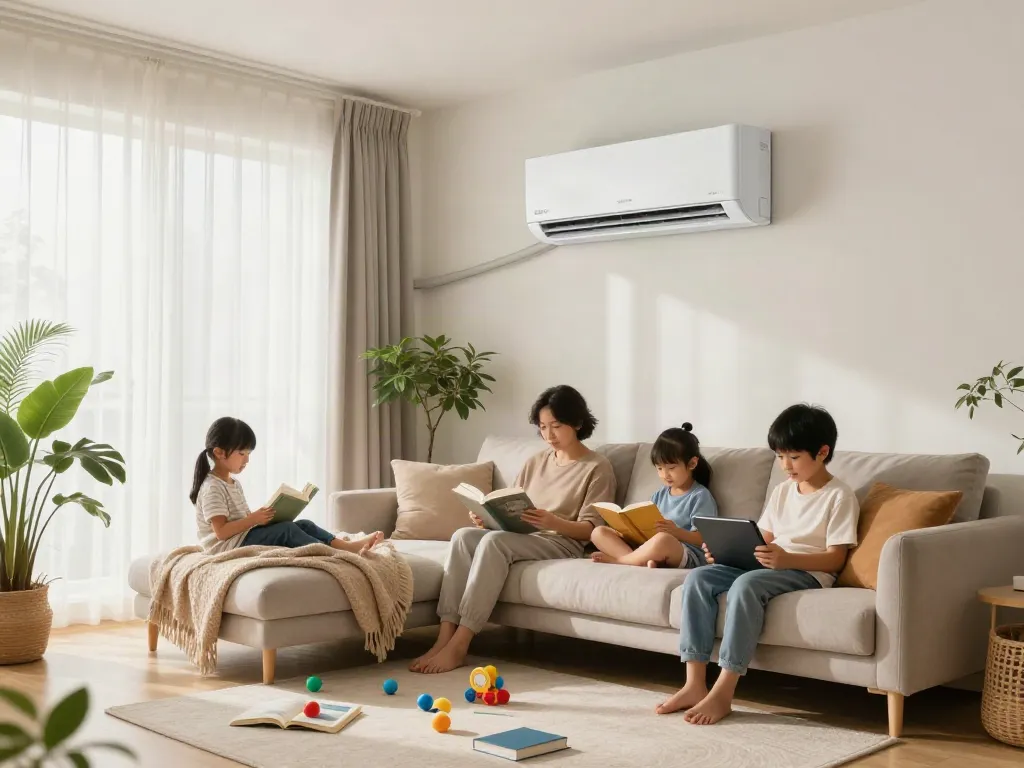
Understanding Split AC Units
As homeowners aim to create a comfortable living environment, split AC units have emerged as a popular choice for efficient cooling and heating. Unlike traditional window units, these systems offer flexibility, space savings, and optimal temperature control, making them suitable for various applications, from single rooms to entire homes. In this guide, we will explore the fundamentals of split AC units, their components, benefits, and current innovations that are reshaping the market in 2026.
What is a Split AC Unit?
A split AC unit is a type of air conditioning system that consists of two primary components: an outdoor unit and an indoor unit. This design allows for efficient cooling without the need for ductwork, making it an excellent option for homes without existing air conditioning infrastructure. The outdoor unit houses the compressor and condenser, while the indoor unit contains the evaporator coil and air handler, working together to provide a seamless cooling experience.
Components and Mechanism of Action
The core components of a split AC unit are:
- Outdoor Unit: This comprises the compressor and condenser, which remove heat from the refrigerant and expel it outside.
- Indoor Unit: This unit contains the evaporator coil, which absorbs heat from the indoor air, cooling it before circulating it back into the living space.
- Refrigerant: A vital fluid that circulates between the indoor and outdoor units, it absorbs and releases heat during the cooling cycle.
The mechanism of action begins when warm indoor air is drawn into the indoor unit. The refrigerant absorbs this heat, turning into a gas, which is then transported to the outdoor unit. Here, the heat is released into the atmosphere, and the refrigerant returns as a cooled liquid, ready to repeat the cycle.
Benefits of Using Split AC Units
There are several advantages to installing a split AC unit:
- Energy Efficiency: Split AC units typically consume less energy than traditional systems, leading to lower energy bills.
- Quiet Operation: With the compressor located outdoors, these units operate more quietly, ensuring a peaceful indoor environment.
- Customizable Comfort: They allow for zoning, enabling you to cool different rooms to different temperatures according to individual preferences.
- Space-Saving Design: The absence of ductwork means less space is required, making it ideal for smaller homes or apartments.
Choosing the Right Split AC Unit
When considering the purchase of a split ac unit, it's essential to evaluate various factors to ensure optimum performance and comfort.
Factors to Consider Before Purchase
Before you make a decision, consider the following:
- Room Size: The size of the area you intend to cool plays a crucial role in determining the appropriate BTUs (British Thermal Units) required for effective cooling.
- Installation Type: Evaluate whether you want an indoor wall-mounted unit or a ceiling cassette, based on your aesthetic preferences and space constraints.
- Energy Efficiency Ratio (EER): Look for units with higher EER ratings, indicating better energy efficiency and potential cost savings.
Split AC Unit Sizes and BTUs Explained
BTUs measure the cooling capacity of an air conditioning unit. A higher BTU rating signifies greater cooling power, which is essential for larger spaces. Here’s a quick breakdown of BTUs based on room size:
- 100-250 sq. ft. - 5,000 to 7,000 BTUs
- 250-400 sq. ft. - 7,000 to 12,000 BTUs
- 400-700 sq. ft. - 12,000 to 18,000 BTUs
- 700-1,200 sq. ft. - 18,000 to 24,000 BTUs
Comparing Energy Efficiency Ratings
The energy efficiency of split AC units is typically rated using EER or the Seasonal Energy Efficiency Ratio (SEER). Understanding these ratings can help you choose a model that balances upfront costs with long-term energy savings. Units with a SEER rating of 16 or higher are deemed energy-efficient, often resulting in lower utility bills and a reduced environmental footprint.
Installation Guide for Split AC Units
The installation of split AC units can vary based on the complexity of the system and the specific setup of your home. Understanding the process can help you decide whether to opt for professional installation or tackle a DIY project.
Professional vs. DIY Installation
While some homeowners may consider installing a split AC unit themselves, hiring a professional is often advisable. Professionals can ensure that the unit is installed correctly and efficiently, thus maximizing performance and longevity.
Step-by-Step Installation Process
If you decide to install the unit yourself, follow these general steps:
- Choose the installation location for the indoor unit, ensuring it is away from direct sunlight and obstructions.
- Mount the indoor unit bracket to the wall and secure it.
- Drill a hole through the wall for the refrigerant lines.
- Connect the indoor and outdoor units with the refrigerant lines and electrical connections.
- Test the unit for proper operation before sealing and finishing the installation.
Common Installation Challenges and Solutions
Be prepared for potential challenges, such as:
- Difficulty accessing the installation site may require extra tools or creativity.
- Improper refrigerant charging can lead to inefficient operation; always follow the manufacturer’s specifications.
Having a troubleshooting plan can save time and frustration.
Maintaining Your Split AC Unit
To ensure optimal performance and longevity, regular maintenance is crucial. Proper care can help avoid costly repairs and keep your home comfortable year-round.
Seasonal Maintenance Tips
Here are essential maintenance tasks:
- Clean or replace the air filters every 1-3 months to maintain airflow.
- Inspect refrigerant levels and check for leaks at least once a year.
- Clean the outdoor unit to remove dirt and debris, which can hinder performance.
Troubleshooting Common Issues
Even with regular maintenance, you may encounter issues. Some common problems include:
- Unit not cooling effectively: Check the thermostat settings and ensure the filters are clean.
- Strange noises coming from the unit: This could indicate a motor issue or foreign objects within the unit.
When to Call a Professional Technician
If you experience persistent problems or if your unit requires extensive repairs, it's time to call a professional. Their expertise can quickly diagnose and resolve complex issues.
Future Trends in Split AC Technology
The HVAC industry is constantly evolving, with new technologies and trends shaping how we heat and cool our spaces. Staying informed about these trends can help you make better choices for your home.
Innovations and Smart Features
Emerging technologies are integrating smart features into split AC units, providing homeowners with enhanced control over their systems. Features such as Wi-Fi connectivity, app-based controls, and programmable settings are becoming increasingly common, allowing users to adjust their cooling preferences remotely.
Impact of Climate Change on AC Standards
As climate change continues to influence weather patterns, manufacturers are developing more efficient and environmentally friendly systems. Efforts to comply with stricter regulations regarding refrigerants and energy consumption are driving innovation within the industry.
Predicted Market Growth and Consumer Preferences for 2026
The demand for split AC units is projected to grow significantly as more homeowners seek energy-efficient solutions to climate control. Consumer preferences are shifting towards units that offer not only high efficiency but also smart technology integration, catering to the modern lifestyle.
Conclusion
Investing in a split AC unit can drastically improve your home’s comfort and energy efficiency. By understanding their benefits, choosing the right system, and maintaining it properly, you can enjoy a cool oasis, even during the hottest months of the year. As technology advances, the future of split AC units promises even greater efficiency and convenience, making them an attractive choice for homeowners in 2026 and beyond.